
DockMaster
Automated USV docking and charging
DockMaster enables resident USV operations by automatically securing, charging and releasing the vessel between missions. This allows the USV to remain deployed on site for extended periods, reducing the need for manual recovery and keeping the system ready for continuous or regularly scheduled operations.
3 kW
Maximum charging power
Uncrewed
Docking and undocking
12 / 24 / 48 V
Standard DC charging voltages
5 kN
Latching strength; recommended for vessels up to 6 m
How it works
Persistent USV presence through uncrewed capture and release
DockMaster provides the mechanical capture, retention, charging and release interface for resident USV operations. Once the vessel enters the docking interface, the system secures it, verifies the latch state and establishes contact charging. A digital signal activates the electromechanical release mechanism, allowing the USV to depart for its next mission.
docking process
Close-up of the DockMaster working
See how a vessel docks with the DockMaster, shown in green.

System components
A complete USV docking system
DockMaster combines USV-mounted, dock-mounted and shore-side hardware. Final configuration depends on the USV’s electrical system, control architecture and installation.
Use the DockMaster configurator to choose your latch, pole and power supply before requesting pricing.

USV-mounted latch
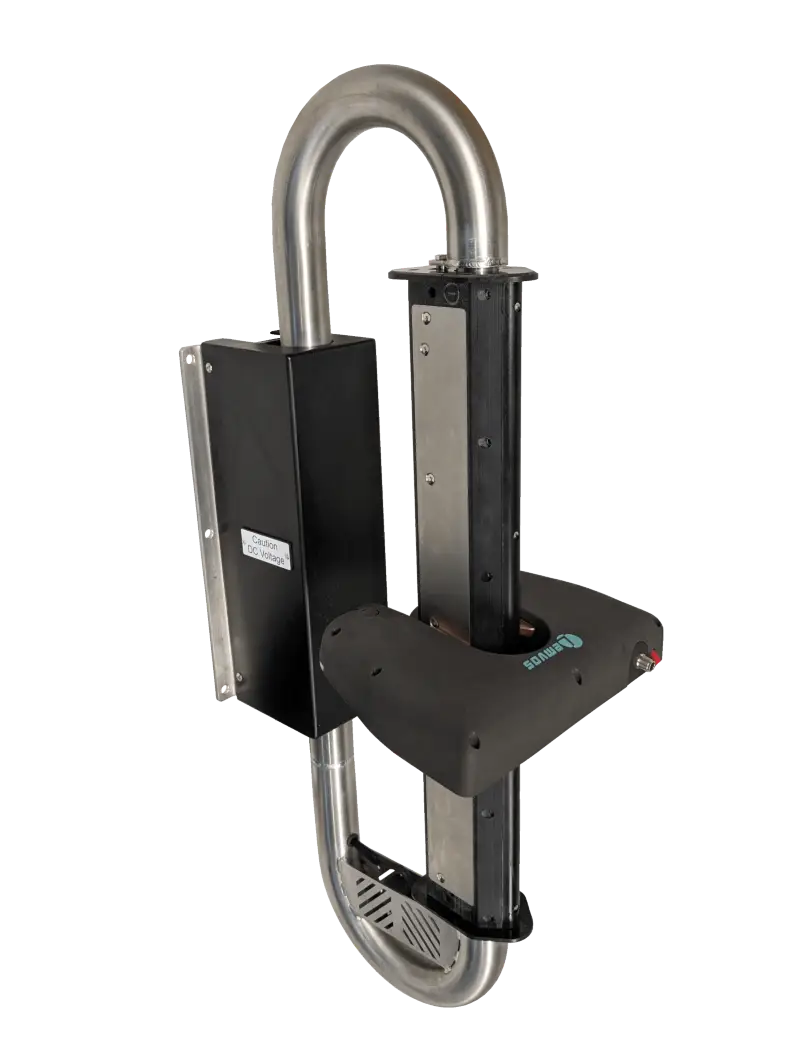
Captures the dock-mounted pole, provides the charging contact interface and connects latch-state and release signals to the USV control system.
Dock-mounted pole
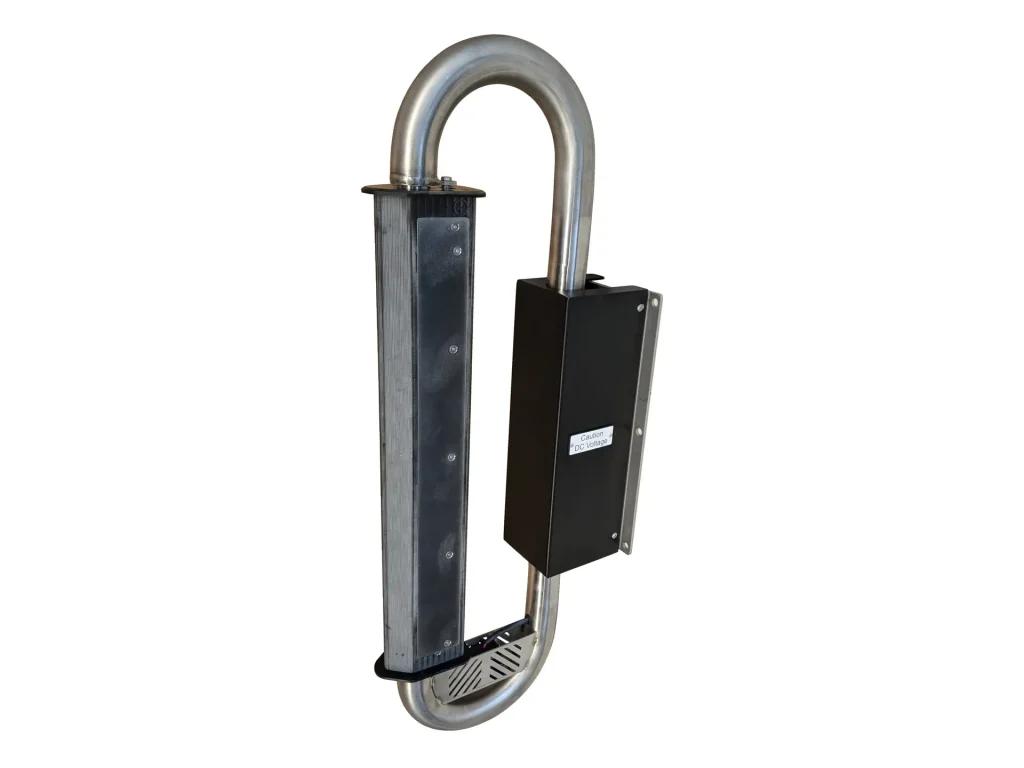
Provides the fixed mechanical and electrical docking interface for the USV-mounted latch.
Shore-side charger
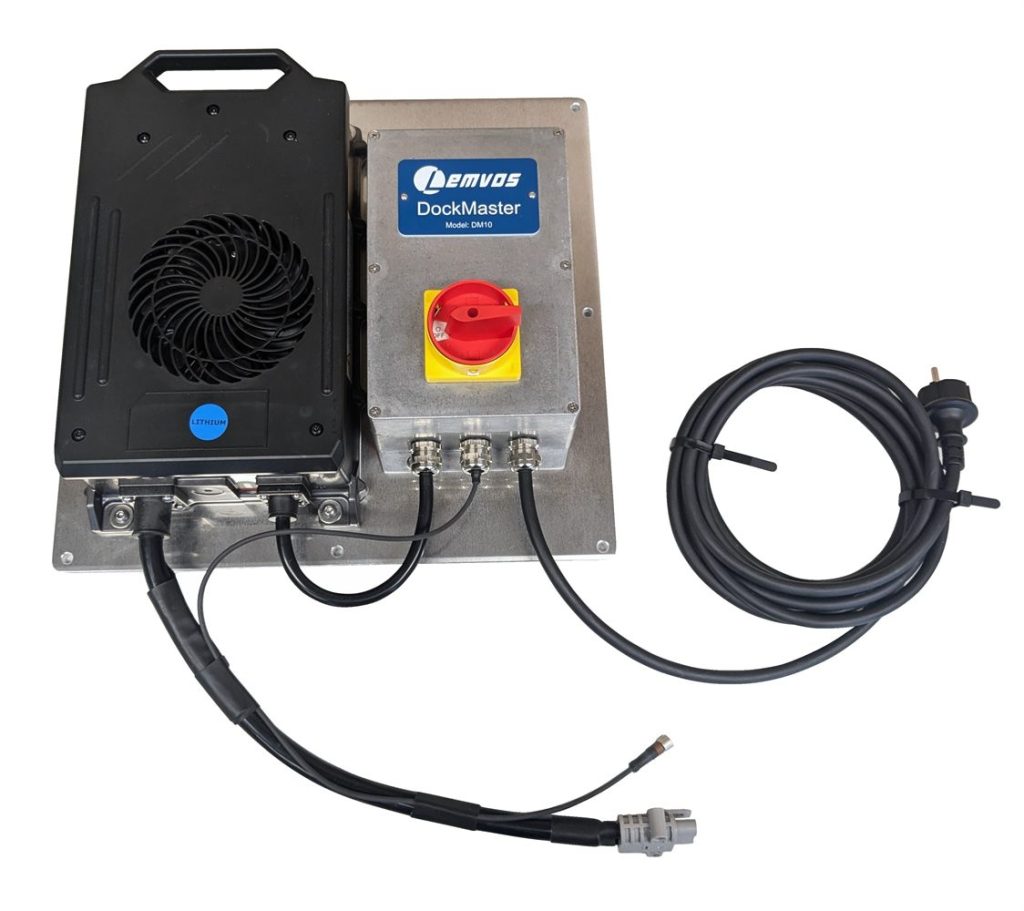
Converts the available shore supply into the configured DC charging output for the USV.
Engineering services
Talk to us about your LARS and docking station needs
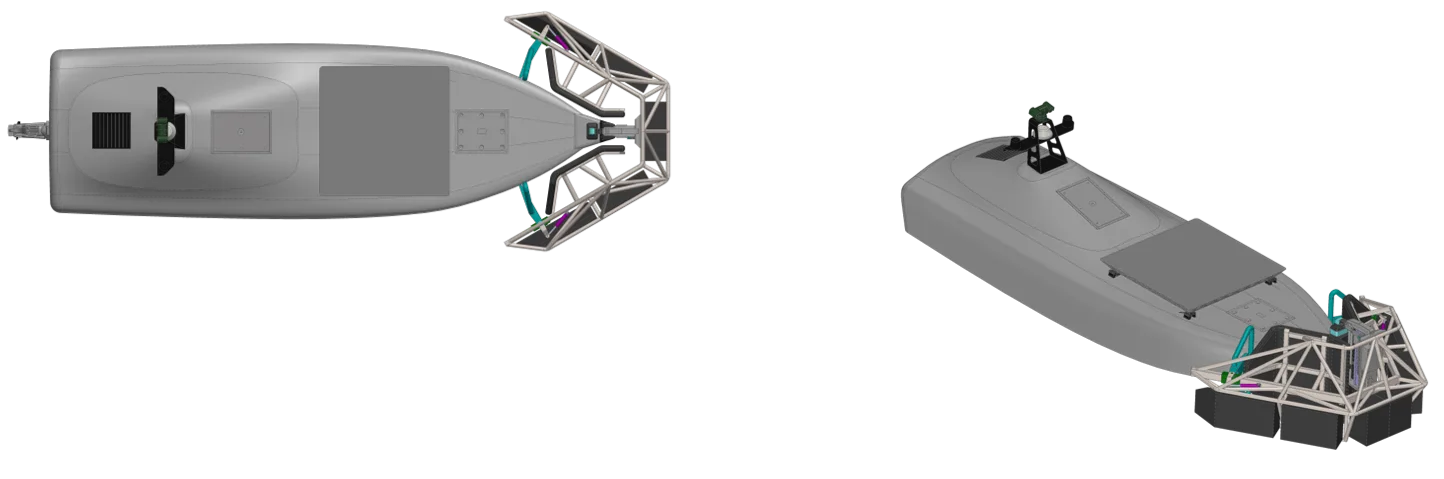
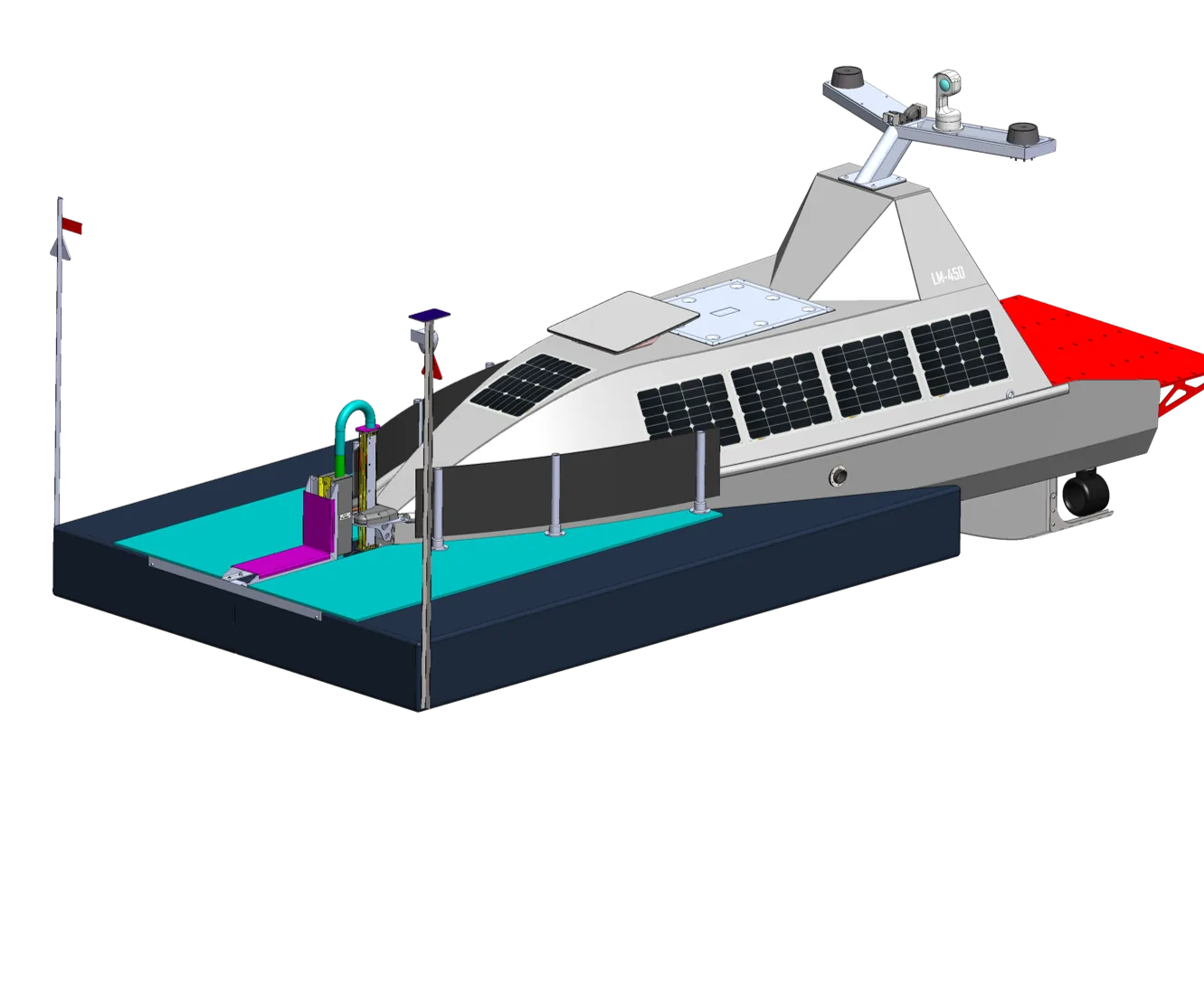
When DockMaster forms part of a wider launch and recovery system or custom docking station, Lemvos can support a project-specific solution around the docking interface. The service can cover the USV, dock structure, supporting equipment and the operational sequence that connects them.
Project-specific engineering service
Frequently asked questions
Planning a DockMaster integration
Which USVs can use DockMaster?
DockMaster is primarily designed for electric USVs and other uncrewed vessels, with a recommended maximum length of 6 m. Manned vessels may also be supported where the docking geometry and control integration are suitable, subject to engineering review.
What charging configurations are supported?
Standard charging voltages are 12 V, 24 V and 48 V, with custom configurations up to 75 VDC. Maximum charging output is 3 kW at 60 VDC and up to 50 A.
How does the USV control system interface with DockMaster?
The USV control system can command release through the 12–30 VDC actuator interface and receive a digital latched-state feedback signal. AutomatePro is one control-system option for managing this sequence.
What happens during a power failure, and is manual release available?
DockMaster is fail-secure. If shore power is lost or cut, the latch stays engaged and the USV remains mechanically secured — it will not release unexpectedly. The USV stays latched until power is restored, or until the latch is released manually on site with a security key.
What environmental conditions is DockMaster designed for?
DockMaster is designed for operation up to Sea State 3. For operation in higher sea states, contact Lemvos to review the USV, docking arrangement and expected environmental loads. The system is rated IP67, is protected against corrosion for use in marine environments, and has an operating temperature range of −20°C to 45°C.
What loads and service life is DockMaster designed for?
DockMaster has been tested to hold a 5 kN load and to release under 1.5 kN of applied load under nominal, properly lubricated conditions. Release performance depends on lubrication, alignment and installation. The specified service life is 1,000 docking cycles. Maintenance intervals depend on operating conditions and are confirmed during application review.
Does DockMaster navigate the USV?
No. The USV requires its own navigation, control and sensor systems to steer into position. DockMaster provides latching, charging connection, latch-state feedback and a release interface.
Product resources
Specifications, photos and files
Full technical specifications, product photography and the current documentation.
DockMaster DM10 at a glance
| Specification | Value |
|---|---|
| Compatibility & motion | |
| Suitable vessel size | Up to 6 m |
| Maximum roll while docked | ±20° |
| Maximum pitch while docked | ±10° |
| Charging | |
| Maximum charging power | 3 kW at 60 VDC |
| Charging voltages | 12 V, 24 V, 48 V or custom up to 75 VDC |
| Charging current | Up to 50 A |
| Battery charging connection | Flying leads |
| Shore power supply | 110 VAC or 230 VAC |
| Specification | Value |
|---|---|
| Control & safety | |
| Latch release connection | M12, 5-pin connector |
| Release signal | Digital output, 12–30 VDC |
| Latched-state feedback | Digital signal output |
| Behaviour on loss of power | Remains latched until power is restored or released manually |
| Environment & durability | |
| Ingress protection | IP67 |
| Environmental design basis | Designed for operation up to Sea State 3; contact Lemvos for higher sea-state applications |
| Operating temperature | −20°C to 45°C |
| Corrosion protection | Marine-environment corrosion protection |
| Tested holding load | 5 kN |
| Tested release under applied load | 1.5 kN under nominal, properly lubricated conditions |
| Service life | 1,000 docking cycles |
DockMaster dimensions (mm)

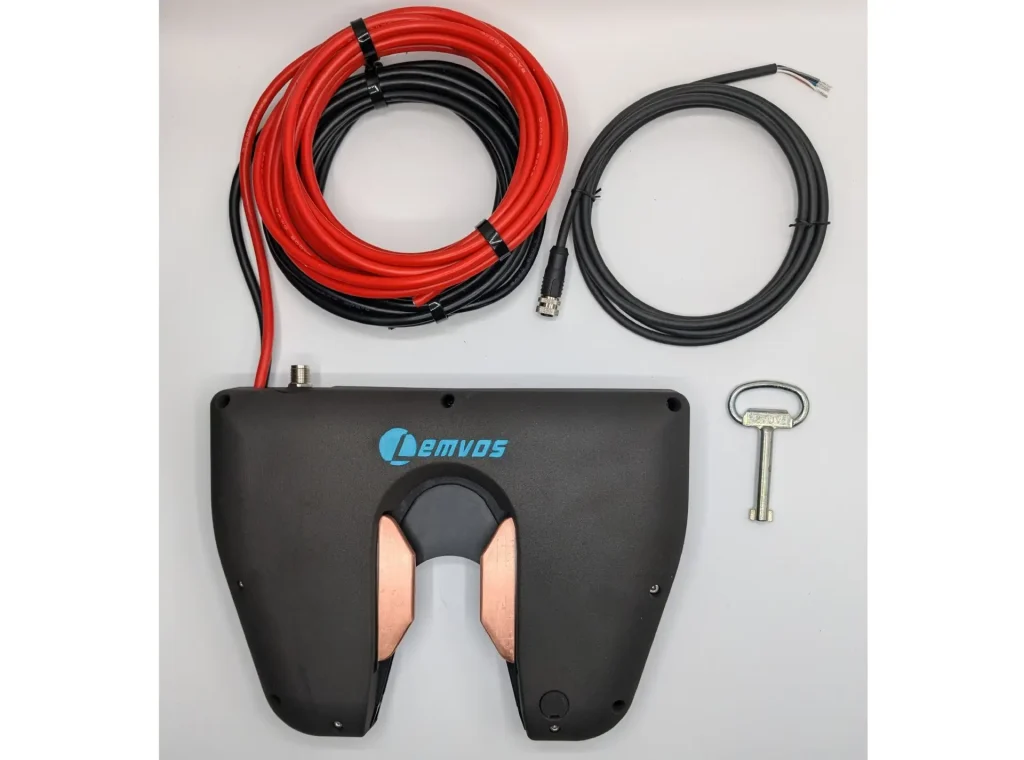
DockMaster product views

Technical documentation
PDF · Product overview
DockMaster DM10 product overview
Request DockMaster pricing
Tell us about your USV, charging voltage, control architecture, dock arrangement and operating environment. We’ll review the application and provide pricing for a suitable DockMaster configuration.